Exploring Wool Top Styles: From History to Modern Comforters
In the quiet, almost ceremonial world of sleep fabrics, the wool topper and its kin—comforters stitched with the patient hands of artisans and the careful eye of engineers—tell a story of warmth, breathability, and the stubborn romance of natural fibers. This is not merely about bedding; it is a meditation on how a single material, wool, can be engineered to respond to the varying moods of a room, a season, a sleeper. From the wool toppers that crown a mattress to the all-natural, hand-tufted comforters that cradle the night, the modern marketplace offers a continuum of design intent: durability, sustainability, and the quiet poetry of loft.
The following exploration draws on recognizable, reputable approaches to wool-filled sleep surfaces—brands that foreground natural materials, responsible sourcing, and craftsmanship. We will trace the journey of wool toppers from traditional insulators and comfort enhancers to contemporary, design-forward toppers and comforters that balance warmth with temperature regulation. In doing so, we attend to the texture of the textile itself—the crimp, the loft, the way wool holds a thread of air that becomes insulation without becoming oppressive.
What makes a wool topper or comforter a distinctive sleep surface?
A wool topper is a quilted or sewn layer placed atop a mattress to modify feel and temperature dynamics. Its core appeal lies in a natural fiber that breathes, wicks moisture, and adapts to body heat. Wool’s crimp structure traps air, providing loft and warmth when temperatures dip, while permitting ventilation when warmth rises. The result is a surface that can feel plush without becoming stifling—a balance modern sleepers crave.
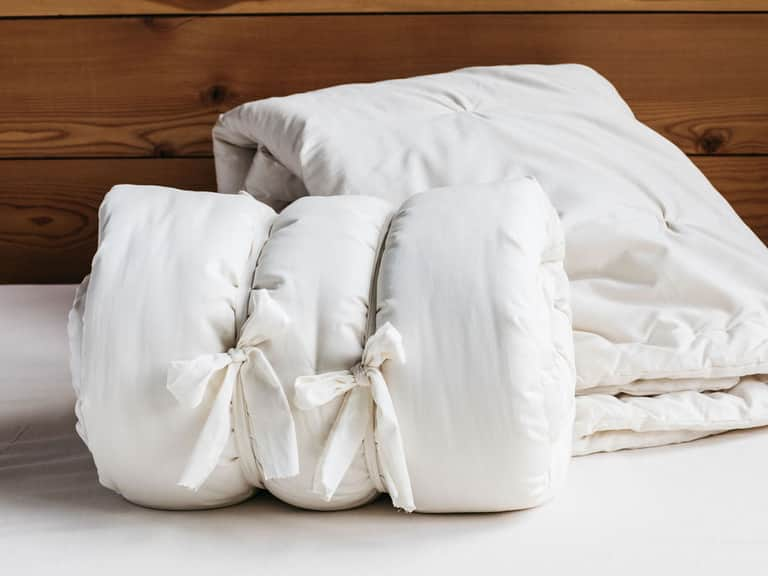
A wool comforter, similarly, uses wool as its insulating heart, often encased in an outer shell of organic cotton or another breathable fabric. The best wool comforters avoid heaviness by using carefully weighed fillings, hand-tufted constructions to keep the fill evenly distributed, and corner ties or duvet anchors to maintain alignment with a duvet cover. The practical elegance of these pieces rests on a promise: warmth without bulk, breathability without drafts, and durability that accepts daily use with quiet grace.
In short, the distinction between a topper and a comforter is shape and function, but the shared philosophy centers on wool’s intrinsic properties: temperature regulation, moisture management, resilience, and a material philosophy that favors natural over synthetic.
Fiber varieties and why they matter
The world of wool toppers and comforters leans on a spectrum of wool types—Merino, Eco Wool, and blends that incorporate recycled or responsibly sourced fibers. Each variety brings its own balance of softness, crimp, and resilience. Merino is celebrated for its fine, soft hand and fine crimp that yields a delicate warmth, while Eco Wool, often sourced from domestic or regional flocks, emphasizes robust loft and long-term durability. Blends can harness the best of both worlds: the sensory comfort of Merino with the ruggedness of recycled or Eco Wool.
The crimp and loft of the fiber influence how a topper or comforter behaves over a season. A higher crimp can trap more air, providing better insulation at lower bulks; it also influences the fabric’s ability to regulate humidity as you move through a nighttime climate. The right wool, thoughtfully selected and responsibly sourced, becomes a partner in sleep rather than merely a filling.
A look at notable approaches in wool toppers and comforters
In the modern landscape, several brands have established a reputation for marrying natural materials with craft-driven construction. A few examples exemplify the contemporary ethos:
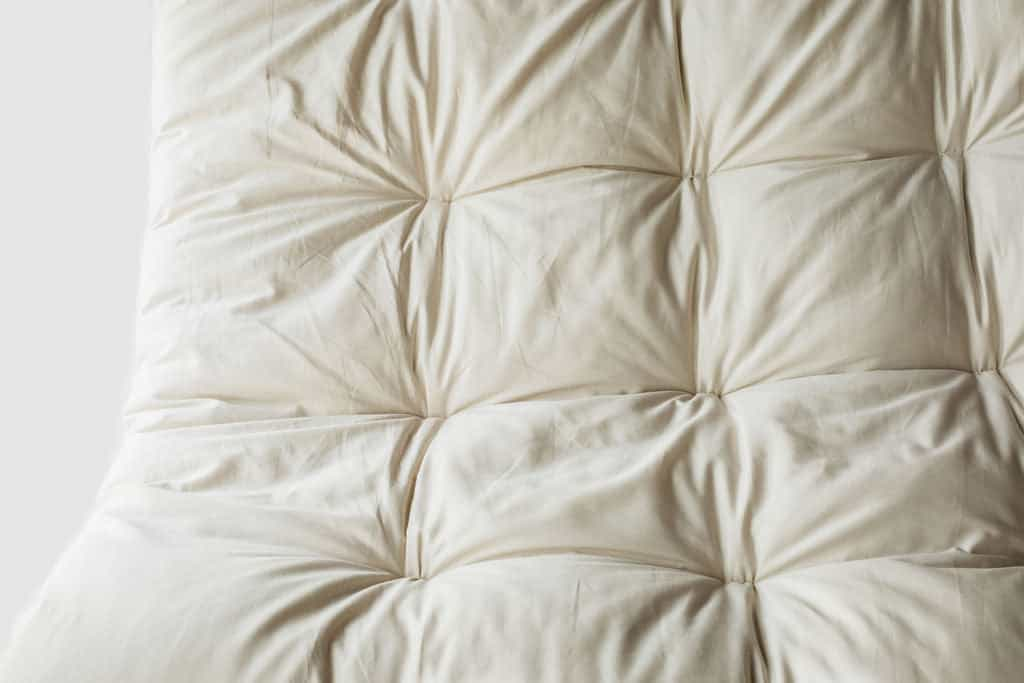
- All-Natural Wool Comforter — A domestically sourced Eco Wool core wrapped in a 300-thread-count organic cotton sateen shell. The design emphasizes hand-tufted, perimeter-stitched loft to maintain even warmth and a duvet-ready form. Corner ties help secure the comforter inside a duvet cover, ensuring a tidy, temperature-stable bed. The fill breathes, enabling seasonal adaptability, and the care instructions—to sun refresh and occasional cold-water machine washing—are straightforward for daily use.
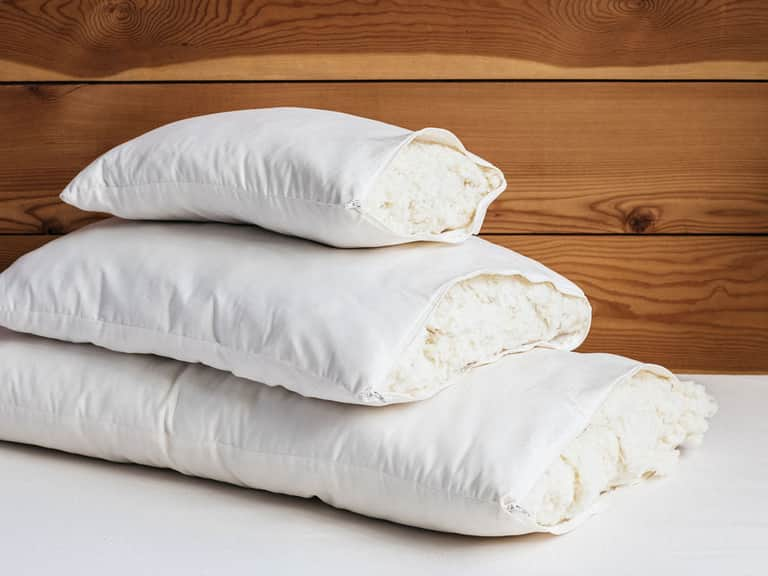
- Organic Wooly Down Bed Pillow and other wool-filled accessories illustrate the adaptability of wool across sleep surfaces. While not toppers per se, these pieces share the same underlying materials philosophy: purity, organic sourcing, and a modular approach to comfort.
- All-Natural Quilted Topper — A topper that highlights 100% organic cotton fabric with Premium Eco Wool. Its quilted construction emphasizes breathability and temperature regulation, with a simple care regime that prioritizes non-chemical materials and practical maintenance.
These examples illuminate a broader trend: wool toppers and comforters are increasingly conceived as multi-season, adaptive sleep surfaces that respect both human comfort and ecological stewardship. They are not merely inert, static fillings; they are thoughtfully engineered layers that engage with body heat, humidity, and movement to create a sleeping environment that feels natural and alive.
Practical guidance for selecting a wool topper or comforter
Choosing a wool topper or comforter is an exercise in sensitivity to room climate, sleep style, and personal sensitivity. Here are considerations to guide a thoughtful selection:
- Fill weight and loft: A topper or comforter’s warmth depends on the density of the wool and how much loft it delivers. Lighter weights suit warmer climates or those who overheat easily; heavier lofts provide richer warmth in cooler environments.
- Shell fabric: An organic cotton sateen or other breathable shell helps maximize the wool’s moisture management. The shell should be sturdy yet soft to the touch, with a weft that allows easy air exchange.
- Construction: Hand-tufted or quilted topologies help keep the wool evenly distributed, preserving loft and preventing clumping. Corner ties or duvet anchors are practical features for duvet-style setups.
- Care: Wool toppers and comforters often favor simpler care—spot cleaning, occasional sun refreshing, and machine washing in cold cycles for some crib toppers or lighter fills. Be mindful of care guidelines to preserve loft and fiber integrity over years of use.
- Certifications and sourcing: GOTS and other organic certifications signal a commitment to ethical processing and fiber purity. Sourcing from co-ops or certified producers tends to align with a sustainable value proposition.
In sum, the right wool topper or comforter feels like a natural extension of your bed: warm when you need it, breathable when you don’t, and quietly built to endure. It is both a technical instrument for climate control and a tactile companion for restful nights.
The narrative of wool top styles: a historical and modern continuum
The concept of a wool topper has historical roots in layers of bedding designed to adapt to seasonal shifts and to provide a soft barrier between sleeper and mattress. Over the centuries, wool has demonstrated a remarkable capacity to yield warmth without the heaviness of other materials. The modern iteration—often a consciously designed, aesthetically pleasing layer—continues that tradition while embracing new practices in sustainability, mindfulness of indoor air quality, and textile technology.
In contemporary catalogs, toppers and comforters are positioned as balanced components of a sleep system: they do more than insulate; they regulate humidity, wick moisture away from the body, and help stabilize temperature through the night. The design language has shifted toward clarity of materials, transparency in sourcing, and a tactile fidelity that invites touch and discovery—an invitation that resonates with readers who value the material truth of what they sleep beneath.
The wool top story is, at its heart, a story of relation: the human body, the room’s microclimate, the fiber’s physiology, and the craftsman’s hands all speaking through a single, soft fabric. It is a narrative that invites slow reading, careful selection, and a deepened appreciation for what it means to sleep well on a surface built from wool’s patient fibers.
Product context within Wooltoppers.org
The supply of wool toppers and comforters in this narrative is anchored by a curated set of offerings that are consistent with the educational and non-commercial ethos of Wooltoppers.org. Among the products that align with this story, the All-Natural Wool Comforter stands out as a case study in material clarity: a domestically sourced Eco Wool shell encased in an organic cotton shell, hand-tufted and quilted to preserve loft. Its design philosophy emphasizes simplicity of care and the tactile intimacy of natural materials—concepts central to our exploration.
Another example, the All-Natural Quilted Topper, foregrounds the combination of organic cotton with Premium Eco Wool, reinforcing the idea that a topper can deliver a comfortable, breathable sleep surface without resorting to synthetic additives. In evaluating such products, one should attend to fill weights, shell fabrics, and how the construction supports long-term loft and even warmth.
These products illuminate a broader pathway for readers: to approach wool toppers and comforters not as disposable accessories but as carefully designed components with enduring value. The goal is a sleep environment that honors both comfort and conscience.
Concluding reflections
The wool topper and the wool-filled comforter occupy a peculiar space in modern bedding: they are at once ancient in their reliance on a venerable natural fiber and contemporary in their emphasis on sustainable sourcing, transparent construction, and accessible care. They remind us that a good night’s sleep is not an accident of design but the result of deliberate choices—about fiber, method, and the quiet refusal to surrender to synthetic substitutes when a more natural, breathable solution remains available.
As you consider your next purchase, listen for the quiet testimony of wool—the way it breathes, the way it lofts, the way it returns to its natural shape after a night’s use. In that listening, you may discover that the top layer of your bed is not a mere cushion but a thoughtful conversation between your body and a centuries-old textile tradition, now refined for 21st-century needs.
In the language of textiles, wool toppers and comforters are more than practical necessities; they are a tactile philosophy—one that asks us to sleep with empathy for the fiber we inhabit and the world that sustains it.
This article follows a structured, semantic approach aligned with Bootstrap 5 conventions. Headings are used to create a navigable hierarchy, and paragraphs, lists, and sections are employed to support readability and accessibility. If you encounter any accessibility barriers or have suggestions for improved clarity, please reach out through the site’s governance channels so we can continue to refine how this material is presented.