Down comforters are insulated bedding layers filled with down, the soft clusters beneath waterfowl feathers. Their warmth comes from trapped air, while the outer fabric helps contain the fill and supports comfortable use. Weight, fill power, construction, and fabric are key features to consider when comparing comforters for different sleep temperatures.
A comforter’s warmth depends on its fill amount and loft, not simply its overall thickness. Lightweight designs may suit warmer rooms or people who sleep hot, while winter-weight options provide more insulation for colder conditions. These differences help clarify how down comforters fit into bedding systems alongside sheets, blankets, pillows, and mattresses.
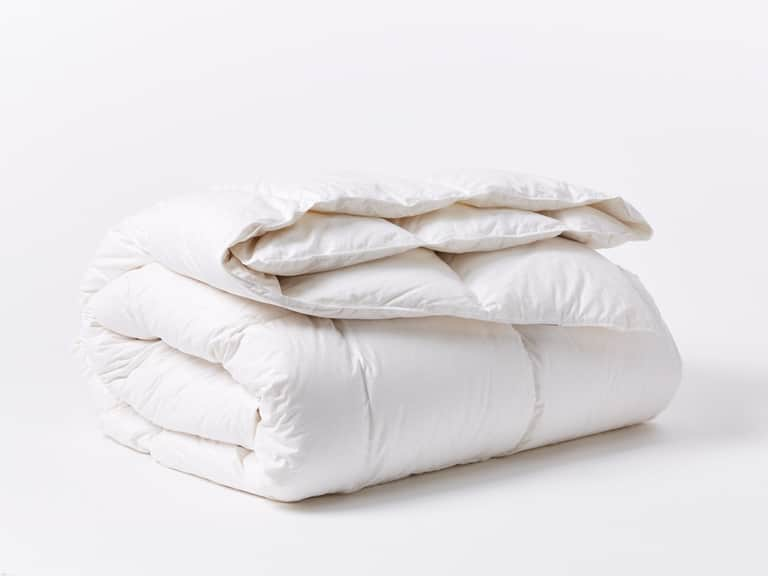
The Winter Weight Down Duvet Insert is designed for colder nights, with substantial insulation intended to retain warmth. Used inside a compatible duvet cover, an insert can be protected from everyday wear and is generally easier to maintain than an uncovered comforter. Its heavier warmth profile may be useful in cool bedrooms or winter climates.
Cloud 700 is described as best for a lofty, luxurious feel without excess warmth. Its 700 designation indicates a fill-power category associated with down loft, while its intended balance can appeal to sleepers seeking a cushioned feel in moderate conditions. Matching loft and warmth to room temperature supports comfortable, practical bedding choices.
When evaluating down comforters, consider fill sourcing, shell fabric, stitching, care instructions, and whether the product is an insert or a standalone layer. People comparing bedding materials may also encounter organic mattresses, latex sleep surfaces, and wool products. Understanding these characteristics helps distinguish insulation, breathability, maintenance needs, and compatibility within a complete sleep setup.
 Bedding