Kids mattresses support restful sleep while accounting for a child’s changing comfort needs and bedroom setup. Important considerations include mattress dimensions, supportive construction, surface feel, and materials. Comparing these characteristics helps families understand how a mattress fits with children’s bedding, pillows, and other sleep essentials.
Natural-material options may include wool, latex, and organic cotton, each with distinct properties. Wool is often valued for cushioning and temperature regulation, while latex can provide resilient support. Understanding these materials helps clarify how an organic mattress may feel and how its construction relates to everyday comfort and sleep routines.
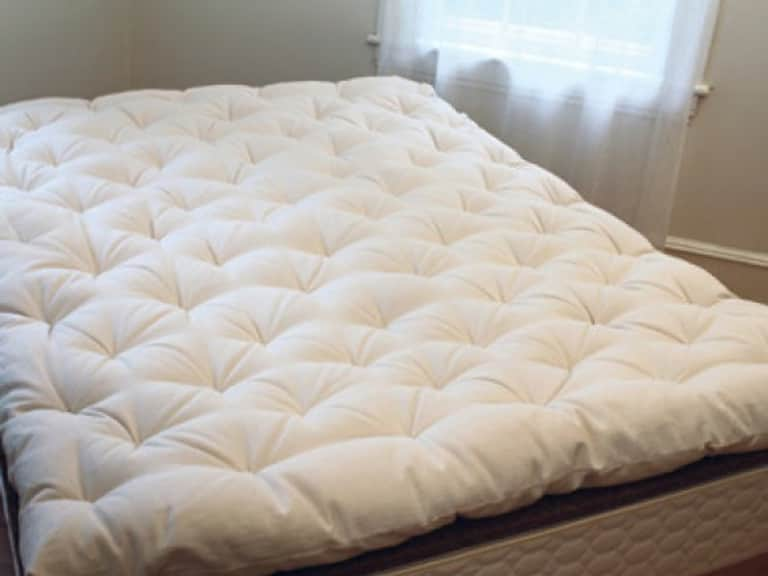
The Savvy Rest Pastoral Wool Mattress is a wool-based mattress option relevant to families researching natural-fiber sleep surfaces. Its wool construction offers a cushioned feel and can help moderate warmth, supporting comfort across changing seasons. Mattress firmness and suitability still depend on a child’s age, size, sleep position, and individual preferences.
Mattress compatibility is another practical consideration: the frame or foundation should provide appropriate support, and fitted bedding should match the mattress dimensions. Breathable sheets and suitable pillows can contribute to a comfortable sleep environment. Comforters and other bedding layers can be adjusted to suit room temperature and a child’s needs.
When comparing kids mattresses, review material details, care guidance, dimensions, and the type of support each design provides. These factors help distinguish wool mattresses from latex and other organic mattresses without assuming that one material suits every child. A well-considered sleep setup combines an appropriate mattress with compatible bedding and pillows.
 Mattresses